Basement Construction in London | Design, Excavation & Structural Works
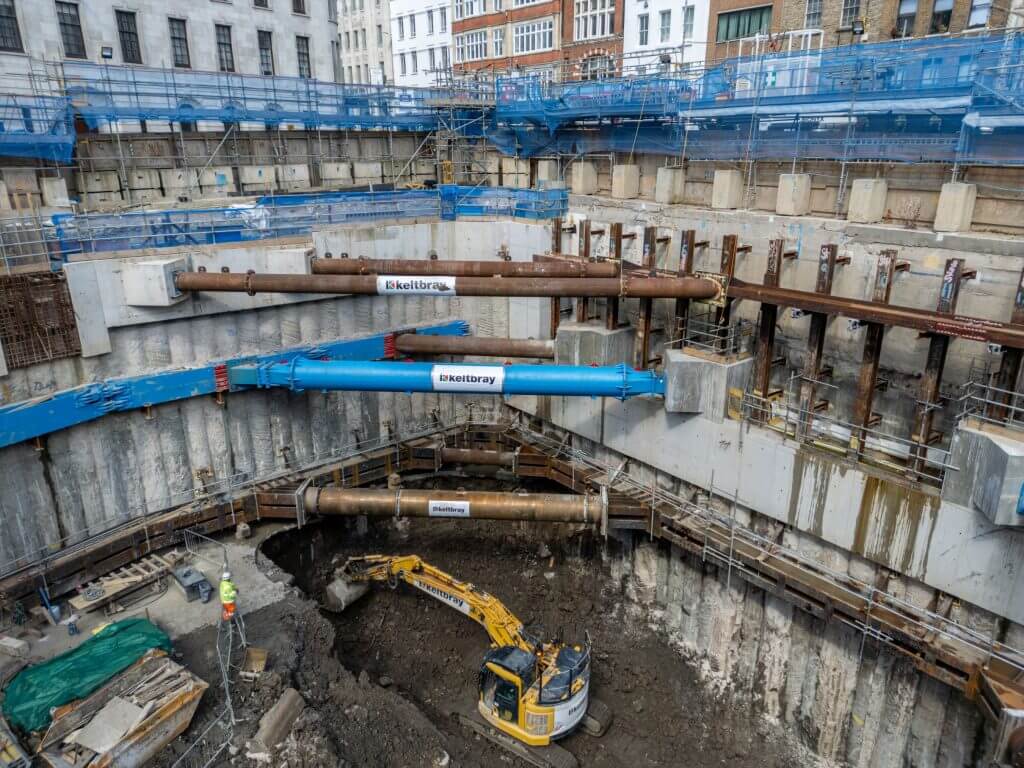
Basement Construction in London
Introduction: Why Basement Construction Is Rising in London
Space in London is limited.
Planning restrictions are tight.
Property prices continue to rise.
For homeowners, developers, and commercial property owners, extending upwards is often not possible. Extending outwards is rarely approved. This is why basement construction has become one of the most practical ways to add usable space in London.
Recent industry data shows that high-quality basement developments can increase property value by up to 20 per cent when designed and built correctly. However, basement projects also carry a high technical risk if handled by inexperienced contractors.
This article explains basement construction in London through a practical listicle. It focuses on design, excavation, and structural works that solve real problems faced by UK working professionals.
How We Selected These Basement Construction Services
Each basement construction stage listed below was selected using a clear methodology:
- Suitability for London ground conditions
- Compliance with UK building and planning regulations
- Impact on long-term structural safety
- Cost control and construction risk reduction
- Value added for residential and commercial properties
Basement Design and Structural Planning
Why Design Comes First
Basement construction is not excavation first and design later.
In London, poor design decisions lead to planning rejection, neighbour disputes, and structural failures.
Professional basement design includes:
- Structural calculations
- Load transfer planning
- Temporary works design
- Waterproofing strategy selection
Benefits for UK Professionals
- Reduces planning approval risks
- Prevents costly mid-project changes
- Ensures long-term structural stability
Site Investigation and Ground Assessment
Understanding London Ground Conditions
London soil is complex. Clay movement, groundwater levels, and historic foundations create unique risks for basement projects.
Site investigations typically cover:
- Soil testing
- Groundwater analysis
- Existing foundation surveys
- Nearby structure assessments
Why This Stage Matters
- Prevents settlement and structural movement
- Reduces excavation surprises
- Improves construction accuracy
Basement Excavation Works
Excavation in Tight Urban Sites
Basement excavation in London often happens under existing buildings and within restricted access sites. This requires careful sequencing and constant monitoring.
Key excavation methods include:
- Hand-dig excavation
- Machine-assisted digging out
- Phased excavation with temporary support
Benefits for Property Owners
- Minimises risk to neighbouring buildings
- Maintains site safety
- Controls noise and disruption
Underpinning and Structural Strengthening
Supporting Existing Foundations
Most London basement projects require underpinning. This process strengthens existing foundations so they can safely support the new basement level.
Common underpinning techniques include:
- Mass concrete underpinning
- Beam and base systems
- Mini-piled underpinning
Why Underpinning Is Non-Negotiable
- Prevents building movement
- Meets structural safety standards
- Supports additional loads
Basement Waterproofing Systems
Water Ingress Is the Biggest Basement Risk
London has high groundwater levels in many areas. Without proper waterproofing, basements are vulnerable to leaks, dampness, and mould.
Professional waterproofing systems include:
- Type A tanking systems
- Type B structural waterproofing
- Type C cavity drainage systems
Benefits for End Users
- Dry and usable basement space
- Reduced maintenance costs
- Improved indoor air quality
Concrete and Structural Basement Construction
Building the Basement Shell
Once excavation and underpinning are complete, the basement structure is formed.
This stage includes:
- Reinforced concrete slabs
- Retaining walls
- Structural beams and columns
Why Quality Concrete Works Matter
- Supports building loads safely
- Reduces cracking and settlement
- Improves the lifespan of the structure
Drainage and Service Integration
Planning Services Early
Basements require careful planning for drainage, ventilation, power, and water services.
Civil and structural teams coordinate:
- Drainage connections
- Pump systems were required
- Electrical and data routes
Value for Professionals
- Prevents service clashes
- Speeds up final approvals
- Supports smooth building operation
Compliance, Monitoring, and Health and Safety
London Regulations Are Strict
Basement construction must comply with:
- UK Building Regulations
- CDM Regulations
- Local authority planning conditions
- Party Wall requirements
Why This Protects Your Project
- Reduces legal risk
- Improves safety outcomes
- Protects neighbouring properties
Choosing the Right Basement Construction Partner in London
Before appointing a contractor, working professionals should assess:
- Proven basement project experience in London
- In-house design and engineering capability
- Strong health and safety systems
- Transparent cost and programme control
- Clear communication throughout the build
Final Thoughts: Building Value Below Ground
Basement construction in London is one of the most effective ways to unlock hidden space and long-term value. When delivered through expert design, controlled excavation, and robust structural works, basements perform safely for decades.
For UK professionals, the right basement construction approach delivers:
- Increased usable space
- Higher property value
- Reduced structural and water risks
- Strong compliance outcomes